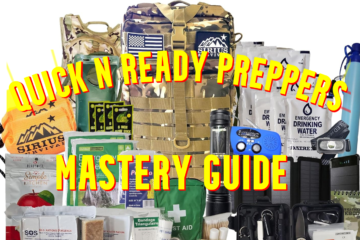
Quick ‘n Ready Preppers helps you build a 72-hour survival kit that actually works. This updated guide covers everything families need for emergencies like hurricanes, power outages, or unexpected evacuations. No fluff—just practical steps to stay safe.
Why Every Home Needs a 72-Hour Kit
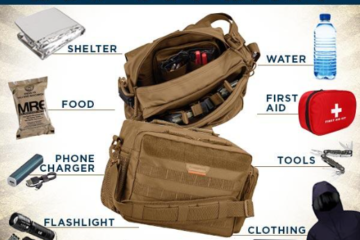
Modern emergencies hit fast. Power grids fail, roads close, stores empty. A 72-hour kit gives you water, food, light, and basics to survive until help arrives or stores reopen. FEMA recommends this minimum; Hawaii families need it for volcanic ash, tsunamis, and storms.
Water – Your #1 Priority
How Much and Storage Tips
1 gallon per person per day (minimum 3 days per family member)
Store in food-grade containers; rotate every 6 months
Add purification tablets or a LifeStraw filter for contaminated sources
Bonus: Collapsible water bags for evacuation
Pro tip: Hawaii tap water works fine short-term, but treat after 48 hours.
Non-Perishable Food (No Cooking Needed)
Stock These Staples
Canned goods: Tuna, chicken, beans, veggies (include manual can opener)
High-energy foods: Peanut butter, nuts, protein bars, jerky
Comfort items: Instant oatmeal packets, honey, powdered milk
Baby/special diet: Formula, gluten-free options if needed
Storage: Cool, dry pantry shelf. Check dates yearly. Aim for 2,000 calories per person daily.
First Aid & Health Essentials
Build Your Kit
Basics: Bandages, gauze, antiseptic wipes, tweezers, scissors
Medications: Pain relievers, allergy meds, prescriptions (7-day supply)
Hawaii-specific: Burn cream for lava/ash, hydrocortisone for insect stings
Tools: Digital thermometer, gloves, N95 masks
Upgrade: Add a compact first aid kit with tourniquet.
Light, Power & Communication
Stay Connected and Lit
Flashlight: LED hand-crank model with radio
Power: Solar charger or hand-crank charger for phones
Communication: Battery-powered radio (NOAA weather band), whistle
Extras: Headlamp, extra batteries, power bank
Test monthly: Charge devices, check batteries.
Warmth, Shelter & Hygiene
Don’t Forget Comfort
Warmth: Emergency blankets (mylar), sleeping bags rated for 50°F
Shelter: Tarp, duct tape, tent stakes for quick setup
Hygiene: Wet wipes, hand sanitizer, toilet paper, soap, feminine products
Trash: Heavy-duty bags for waste
Multi-use hack: Duct tape fixes gear, seals windows, marks trails.
Documents, Cash & Defense
Papers and Protection
Copies: IDs, passports, insurance, medical records (in waterproof bag)
Cash: Small bills ($100-200 total)
Keys: House, car, spares
Self-defense: Pepper spray (check Hawaii laws), multi-tool like Leatherman
Digital backup: USB drive with scans.
Go-Bag Packing Strategy
Make It Portable
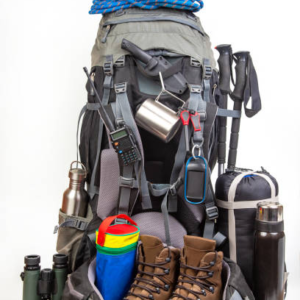
One bag per person (backpack or duffel)
Grab-and-go location: Near main exit, labeled
Family drill: Practice evacuation twice yearly
Vehicle kit: Add car charger, flares, tire repair
Weight check: Adults max 30-40 lbs; kids lighter.
Maintenance Schedule
Weekly: Check flashlight, rotate batteries
Monthly: Test radio, check expiration dates
Quarterly: Full inventory review
Yearly: Replace food/water, update documents
Quick Start Checklist
Print and check off:
Water (1 gal/person/day x 3)
Food (3 days, no cooking)
First aid kit stocked
Light/power sources working
Documents/cash ready
Go-bags packed and accessible
Your 72-hour kit is your family’s insurance policy. Start with water and food today—add the rest over 30 days. Stay ready at QuicknReadypreppers.com.
0 Comments