Prepping for the Unpredictable:
A Comprehensive Guide for the Modern Survivalist
In an ever-changing world filled with uncertainties, the concept of prepping has become more relevant than ever. Whether you’re an individual navigating the challenges of life or a family looking to ensure its collective well-being, prepping is a crucial step towards securing a more resilient future. In this comprehensive guide, we will explore the reasons why people should embrace preparedness, the essential items needed for survival, and how to embark on the prepping journey, be it solo or as a family.
Survival
I. The Urgency of Prepping in Today’s World
- Rising Uncertainties: The world is witnessing an increase in natural disasters, political instability, and global health crises, making it imperative for individuals to be ready for anything.
- Supply Chain Vulnerabilities: Recent disruptions in supply chains highlight the fragility of our interconnected systems, emphasizing the need for self-sufficiency.
- Economic Instability: Financial crises and economic uncertainties make prepping a practical strategy to safeguard against potential hardships.
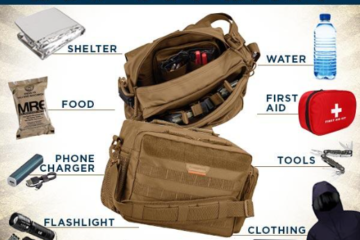
II. The Basics: Essential Items for Survival
- Pocket-sized Essentials:
- Multi-tool: A versatile tool with various functions.
- Water purification tablets: Ensure access to clean water on the go.
- Compact first aid kit: Address minor injuries and illnesses promptly.
- Medium-sized Must-haves:
- Portable shelter: Lightweight tents or emergency shelters for protection.
- Fire-starting tools: Waterproof matches or a reliable lighter.
- Compact cooking utensils: Lightweight pots and pans for preparing meals.
- Large-scale Preparedness:
- High-quality tent: Provide a stable and secure shelter for an extended period.
- Comprehensive tool kit: Including axes, saws, and other versatile tools.
- Defensive tools: Consider legal and responsible options for personal protection.
- Food Supply:
- Non-perishable food items: Canned goods, freeze-dried meals, and energy bars.
- Seeds for sustainable farming: Plan for long-term self-sufficiency.
- Water storage containers: Ensure an adequate supply of clean water.
III. Solo vs. Family Prepping: Tailoring Your Strategy
- Solo Prepping:
- Emphasize mobility: Keep your essentials compact and portable.
- Personalized plans: Customize your strategy based on individual needs.
- Skill development: Hone skills that are crucial for solo survival.
Solo Prepping: Navigating the Challenges Alone
Solo prepping demands a unique set of skills, strategies, and considerations. Whether you’re an adventurer, a digital nomad, or simply prefer the autonomy of self-reliance, going solo in the prepping world requires meticulous planning. Here’s a detailed exploration of what solo prepping entails:
Emphasize Mobility:
- Minimalist Approach: Opt for lightweight, compact gear to ensure ease of movement. Items that serve multiple purposes are invaluable.
- Backpacking Essentials: Invest in a durable, comfortable backpack with compartments for efficient organization. Prioritize items that can be strapped externally for quick access.
Personalized Plans:
- Risk Assessment: Conduct a thorough analysis of potential risks based on your location, climate, and personal health considerations.
- Tailored Supplies: Customize your prepping supplies according to your specific needs. If you have medical conditions, ensure an ample supply of necessary medications.
Skill Development:
- Self-Defense Training: Learn basic self-defense techniques and consider legal and non-lethal tools for personal protection.
- Survival Skills: Master essential survival skills such as fire-starting, water purification, and basic first aid. These skills form the foundation of solo prepping.
Communication Strategies:
- Emergency Contacts: Maintain a list of emergency contacts, including local authorities and medical facilities.
- Portable Communication Devices: Carry compact, reliable communication tools such as satellite phones or emergency radios. Consider solar-powered or hand-crank options for sustainability.
Flexibility and Adaptability:
- Dynamic Planning: Solo prepping requires a dynamic approach. Stay informed about your surroundings and be ready to adapt your plans based on evolving situations.
- Emergency Drills: Regularly practice emergency scenarios to enhance your ability to think on your feet.
Financial Preparedness:
- Emergency Fund: Build a robust emergency fund to cover unexpected expenses and ensure financial stability during crises.
- Cryptocurrency Consideration: Explore the use of cryptocurrencies for financial transactions, especially in scenarios where traditional banking systems may be disrupted.
Medical Considerations:
- First Aid Proficiency: Equip yourself with an extensive first aid kit and undergo training to handle medical emergencies.
- Health Monitoring: Regularly monitor your health and address any medical concerns promptly. Consider learning basic medical procedures to manage minor injuries and illnesses.
Evacuation Plans:
- Multiple Routes: Identify and memorize alternative evacuation routes to avoid potential obstacles or dangers.
- Hidden Stash Locations: Strategically place supply caches along your routes, providing resources in case of unexpected detours or delays.
Psychological Preparedness:
- Mental Resilience: Solo prepping can be mentally challenging. Develop coping mechanisms and practice mindfulness to maintain mental resilience.
- Isolation Management: Plan for periods of potential isolation and find ways to stay connected with loved ones, even from a distance.
Documentation and Information:
- Emergency Information: Keep essential documents (identification, medical records, etc.) in a waterproof and secure container.
- Digital Backups: Create encrypted digital backups of important documents, maps, and contact information.
Solo prepping is not just about physical survival; it’s about mastering self-reliance, adaptability, and mental resilience. By embracing these principles, individuals can navigate the complexities of solo prepping and emerge better prepared for the challenges that may come their way. Remember, in the world of solo prepping, knowledge, adaptability, and a well-thought-out plan are your greatest assets.
Family Prepping
- Communication plans: Establish clear communication channels within the family.
- Division of responsibilities: Allocate tasks based on individual strengths.
- Group training: Ensure that every family member is proficient in basic survival skills.
Family Prepping: Uniting Strengths for Collective Resilience
Prepping as a family introduces a unique set of dynamics that require coordination, communication, and shared responsibilities. The goal is to ensure the safety and well-being of every family member, making family prepping a comprehensive and collaborative effort.
Communication Plans:
- Establish Clear Channels: Develop a communication plan that includes designated meeting points, emergency contact numbers, and alternative methods of communication.
- Regular Family Meetings: Conduct regular family meetings to discuss and update emergency plans. Ensure that every family member understands their role and responsibilities.
Division of Responsibilities:
- Identify Strengths and Skills: Assess the skills and strengths of each family member to allocate responsibilities effectively. For instance, designate someone as the first aid specialist, another as the navigation expert, and so on.
- Age-Appropriate Tasks: Involve even the youngest family members by assigning age-appropriate tasks, fostering a sense of responsibility and contribution.
Group Training:
- Basic Survival Skills: Conduct family training sessions on basic survival skills, such as fire-building, water purification, and shelter construction. This ensures that every family member is equipped with essential skills.
- Mock Drills: Regularly practice emergency scenarios to gauge the family’s preparedness and identify areas that need improvement.
Shared Supplies:
- Bulk Purchases: Invest in supplies that cater to the entire family. Bulk purchases can be more cost-effective and ensure a more extended period of self-sufficiency.
- Diverse Dietary Needs: Consider dietary restrictions and preferences when stocking up on food supplies to meet the nutritional needs of every family member.
Emergency Evacuation Plans:
- Designated Evacuation Routes: Plan and memorize evacuation routes, taking into account the specific needs of family members, such as infants, elderly members, or individuals with mobility challenges.
- Evacuation Rally Points: Establish designated rally points in case family members get separated during an evacuation. Ensure that everyone knows where to regroup.
Family-Friendly Gear:
- Appropriate Shelter: Choose a family-sized tent or shelter that accommodates everyone comfortably.
- Child-Specific Supplies: Include items such as diapers, formula, and comfort items for children. Adjust the quantity of supplies based on the size and age of your family.
Emotional Support Strategies:
- Maintain Open Communication: Encourage family members to express their feelings and concerns openly. Understanding each other’s emotional states is crucial during challenging times.
- Create a Supportive Environment: Foster a supportive family environment that emphasizes teamwork and mutual encouragement.
Education and Training:
- Family Workshops: Attend workshops or training sessions together to enhance collective knowledge on topics such as first aid, self-defense, and sustainable living.
- Educational Resources for Children: Provide age-appropriate educational resources for children to instill a sense of preparedness without causing unnecessary fear.
Community Building:
- Connect with Like-Minded Families: Build a network with other prepping families. Sharing resources, knowledge, and experiences can strengthen your collective preparedness.
- Community Drills: Collaborate with neighbors or friends to conduct joint emergency drills. This fosters a sense of community and mutual support.
Financial Planning:
- Emergency Fund for the Family: Establish a family emergency fund to cover unforeseen expenses during challenging times.
- Financial Education: Educate family members, especially older children, about the importance of financial planning and budgeting.
Family prepping is a holistic approach that prioritizes unity, cooperation, and shared responsibilities. By fostering a sense of collective preparedness, families can navigate uncertainties together, emerging stronger and more resilient in the face of adversity. Remember, in family prepping, the strength of the family unit is the ultimate key to survival.
Financial Preparedness: Navigating Economic Uncertainties
In times of crisis, having a well-thought-out financial preparedness plan is essential for ensuring stability and resilience. This includes not only managing day-to-day expenses but also understanding alternative forms of currency and the importance of having physical cash on hand. Let’s delve deep into financial preparedness strategies, including bartering, carrying cash, and stashing away funds.
- Emergency Fund Basics:
- Building a Buffer: Establish an emergency fund that covers at least three to six months of living expenses. This fund acts as a financial safety net during unexpected events.
- Liquid Assets: Ensure a portion of your emergency fund is in easily accessible, liquid assets, such as savings accounts or money market funds.
- Physical Cash Reserves:
- Role of Physical Currency: In situations where electronic transactions are compromised, having physical cash is crucial. Aim to keep a reasonable amount of cash in small denominations for everyday transactions.
- Diversify Currency Types: Include a mix of local and foreign currency in your cash reserves, especially if you live in an area prone to economic instability.
- Bartering Essentials:
- Understanding Bartering: Bartering involves exchanging goods or services without using money. It’s a valuable skill when traditional currencies lose value or become unavailable.
- Identifying Barterable Items: Stock up on items with intrinsic value that are likely to be in demand, such as non-perishable food, hygiene products, and basic medical supplies.
- Cryptocurrency Considerations:
- Advantages of Crypto: Cryptocurrencies can provide an alternative means of financial transactions when traditional banking systems are disrupted. Bitcoin and other widely accepted cryptocurrencies can be valuable in a crisis.
- Educate Yourself: Understand the basics of cryptocurrency, its volatility, and how to securely manage digital wallets. Consider keeping a small portion of your financial reserves in crypto.
- Carrying Cash Safely:
- Secure Storage: Invest in a waterproof and secure container for carrying cash, ensuring it remains intact in various conditions.
- Divide and Conquer: Split your cash reserves into multiple locations to minimize the risk of loss in case of theft.
- Stashing Away Funds:
- Secure Locations: Identify secure and accessible locations for stashing away additional funds. Consider home safes, hidden compartments, or secure deposit boxes at banks.
- Regular Assessments: Periodically assess and update the amount stashed away based on your evolving financial situation and economic conditions.
- Precious Metals as a Backup:
- Investing in Precious Metals: Precious metals like gold and silver have historically held value during economic downturns. Consider allocating a small portion of your financial reserves to these assets.
- Secure Storage for Metals: Safeguard precious metals by storing them in a secure location, potentially in a safe deposit box.
- Inflation Hedging:
- Diversified Investments: Diversify your investments to include assets that historically perform well during inflationary periods, such as real estate or inflation-protected securities.
- Regular Reassessments: Periodically reassess and adjust your investment portfolio based on economic indicators and inflation rates.
- Budgeting in Crisis:
- Prioritize Essentials: During crises, focus on budgeting for essential needs, such as food, water, and medical supplies.
- Trim Non-Essential Spending: Be prepared to cut back on non-essential expenses to conserve financial resources.
- Financial Education for the Family:
- Teach Financial Literacy: Educate family members about financial preparedness, budgeting, and the importance of saving for emergencies.
- Inclusive Decision-Making: Involve the family in financial discussions and decision-making to foster a sense of shared responsibility.
IV. Reasons for Becoming a Prepper
- Sense of Responsibility: Preppers take responsibility for their well-being and that of their loved ones.
- Empowerment: Being prepared instills a sense of control and empowerment in uncertain situations.
- Community Building: Prepping fosters a sense of community, as individuals with similar values come together to share knowledge and resources.
V. S.H.T.F. Scenarios: Preparing for the Worst
- Natural Disasters: Develop plans for earthquakes, hurricanes, floods, and other natural disasters.
- Economic Collapse: Have contingencies for financial instability and potential currency devaluation.
- Pandemics: Learn from recent global health crises and prepare for potential future pandemics.
VI. Budgeting for Prepping: How Much is Enough?
- Assessing Priorities: Prioritize essential items based on your unique needs and potential threats.
- Incremental Investments: Begin with small, budget-friendly purchases and gradually invest in more substantial items.
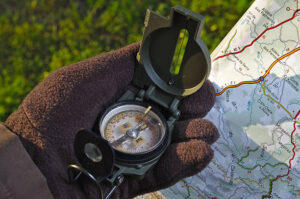
VII. The Role of Maps in Prepping
- Offline vs. Online Maps:
- Offline maps: Purchase physical maps for areas of interest.
- Online maps: Download digital maps for accessibility and real-time updates.
- Mapping Key Locations:
- Identify evacuation routes, water sources, and potential shelter locations.
- Familiarize yourself with the topography of your region for strategic planning.
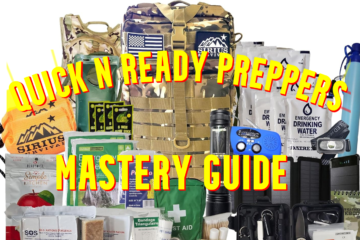
VIII. QuicknReady Preppers: Your Ultimate One-Stop Prepper Hub
- Comprehensive Information:
- In-depth guides on various prepping topics.
- Community forums for sharing experiences and knowledge.
- Curated Products:
- A carefully selected range of prepping gear and supplies.
- Reviews and recommendations for quality and reliability.
- Resource Center:
- Regularly updated articles and news on current events.
- Webinars and tutorials on essential prepping skills.
Conclusion:
In a world filled with uncertainties, survival prepping is not just a choice but a responsible and practical approach to safeguarding oneself and loved ones. From pocket-sized essentials to large-scale preparedness, Quick n Ready Preppers stands as the ultimate one-stop destination for all your prepping needs, providing information, products, and resources to empower individuals and families on their journey towards a more resilient future. Embrace the mindset of preparedness today for a more secure tomorrow.

0 Comments